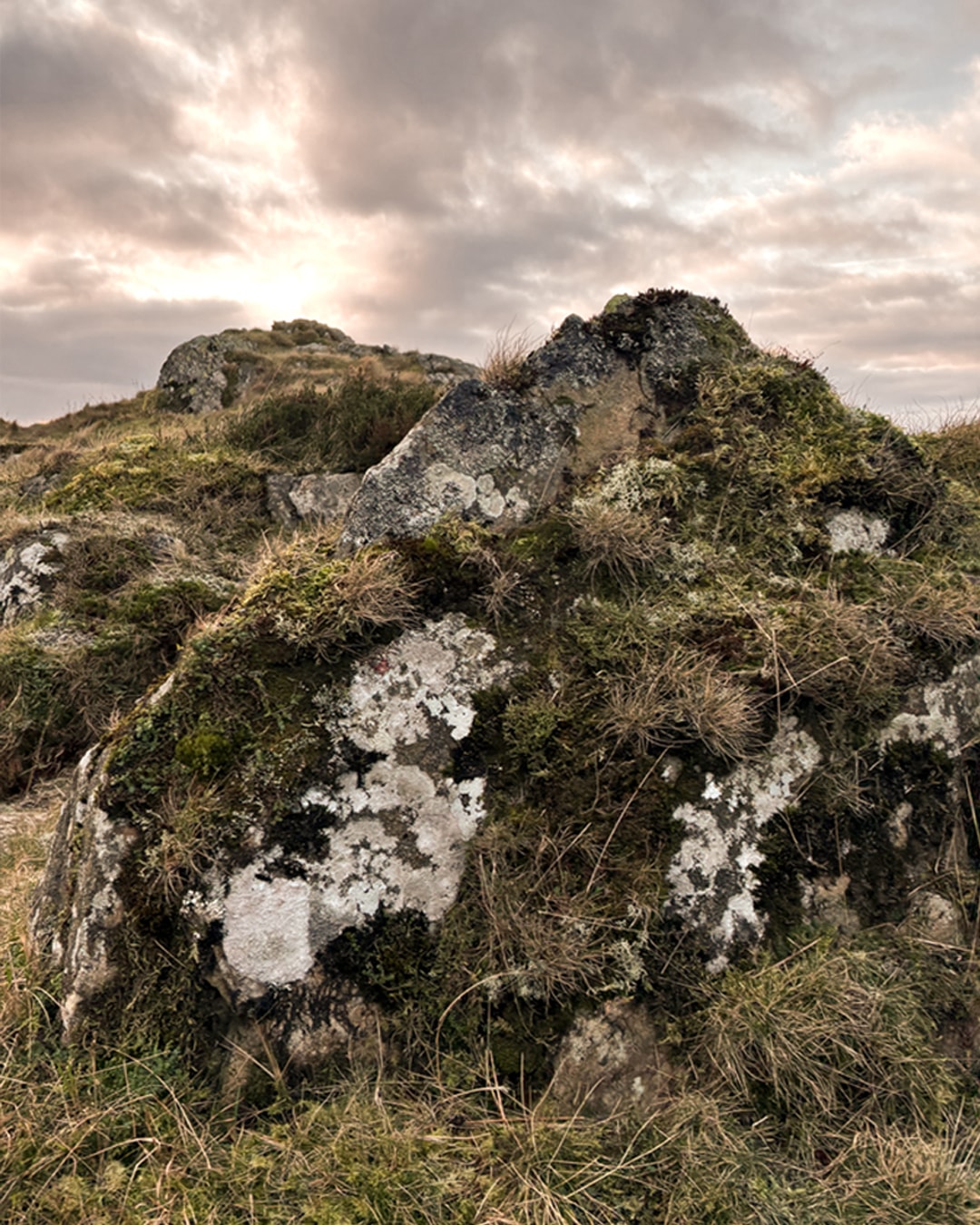
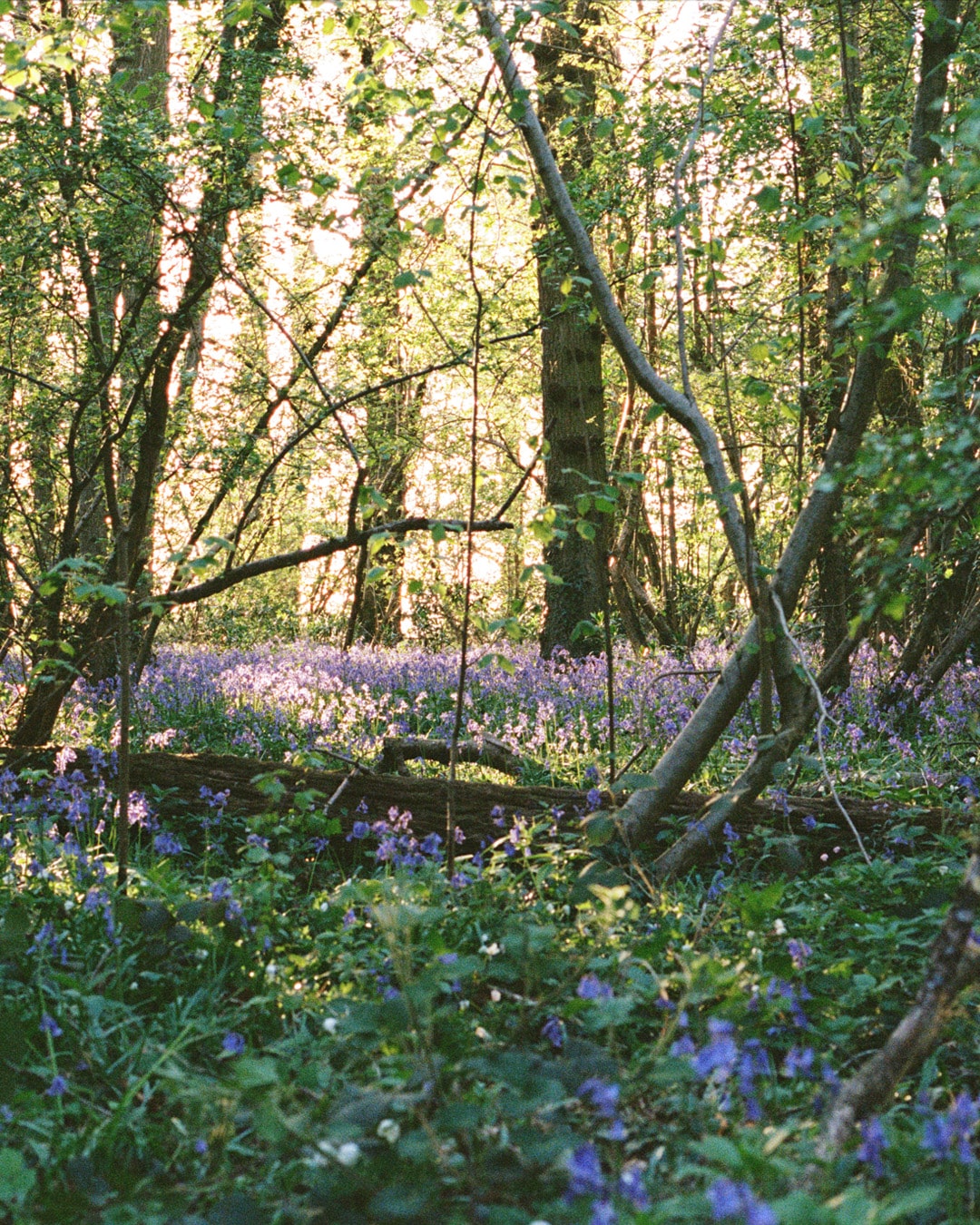
RHS Chelsea Forgotten Forests hero image
RHS Chelsea 2026
Forgotten Forests Garden

The garden celebrates the vital work of the Woodland Trust in restoring the UK’s rare and vulnerable ancient woods, once overshadowed by dense plantations of non-native conifers.

The garden will illustrate the intricate process of restoring Ancient Woodland Sites on conifer plantations (PAWS), showcasing how removing non-native conifers and nurturing surviving woodland species can revive these fragile ecosystems. It aims to raise awareness about the vital role ancient woodlands play in preserving biodiversity, storing carbon, and combating climate change, emphasising that they are not just forests but living legacies we cannot afford to lose.

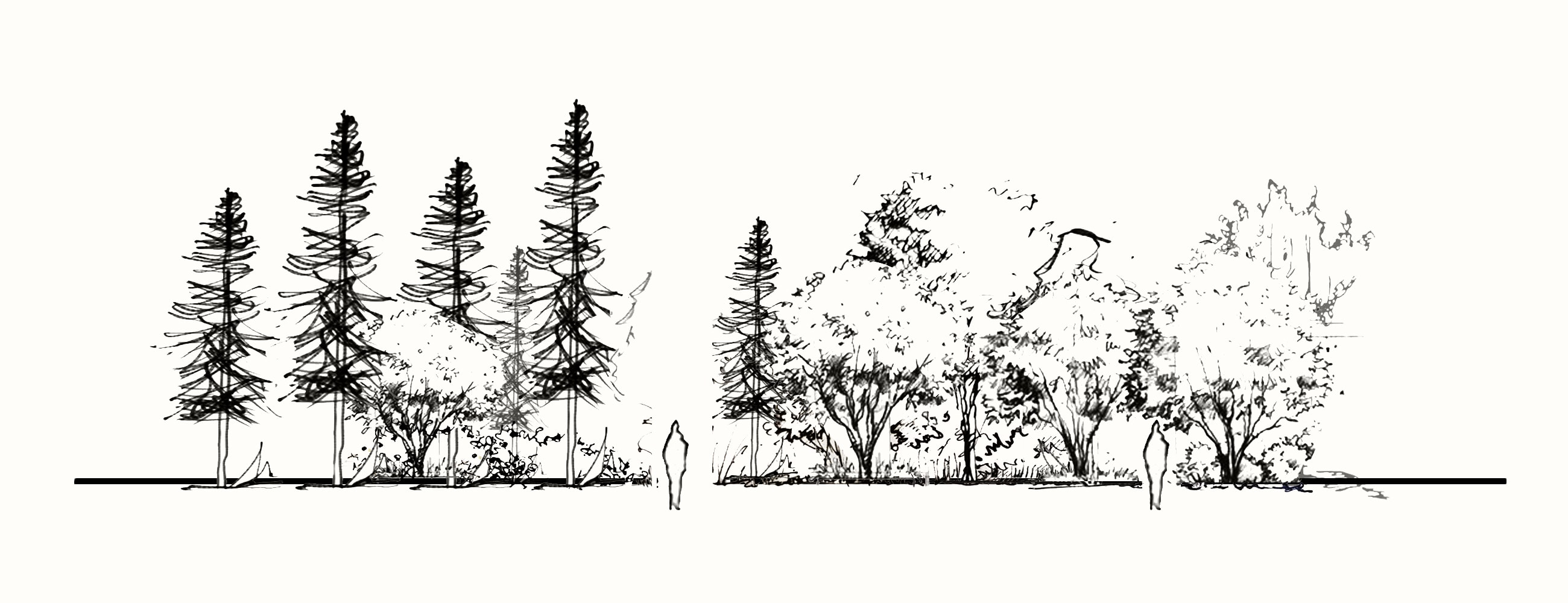
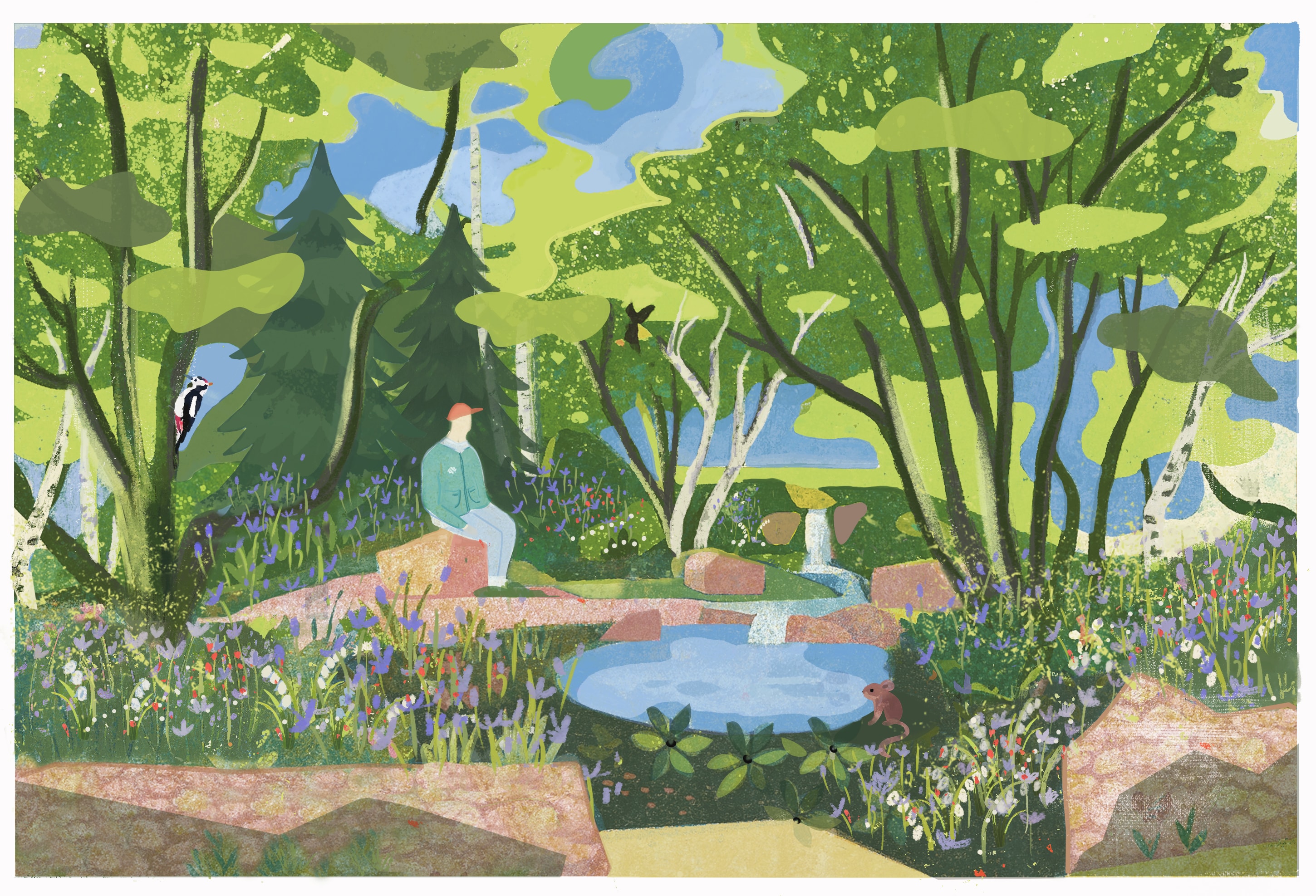
The design features a striking transition zone where regimented conifers gradually give way to a more diverse, naturally regenerating woodland. This evolving landscape highlights that restoration is a process, not an instant result, a living story of renewal rather than a finished forest. In essence, the garden tells a powerful story of stewardship and hope: how, with care and patience, ancient woodlands can re-emerge from plantation sites and reclaim their rightful place in the natural world.

Find out more, visit the Woodland Trust’s website

COLLABORATORS
Project Giving Back
Hilliers
CJ Landscapes
Hortus Loci
Botanica Plant Nursery
Sarah Bryan
CLIENT
Woodland Trust logo
LOCATION
RHS Chelsea Flower Show
YEAR
2026
Project image

01/

WHAT'S INSPIRED US

Taking inspiration from the Woodland Trust’s new campaign ‘Forgotten Forests’, the design concept aims to show the gradual transition from monoculture planting to regenerated native woodland, reflecting the ongoing efforts of the Woodland Trust. It will also highlight the incredible biodiversity within these ancient woodland sites and the irreplaceable loss we face if this delicate environment is lost.

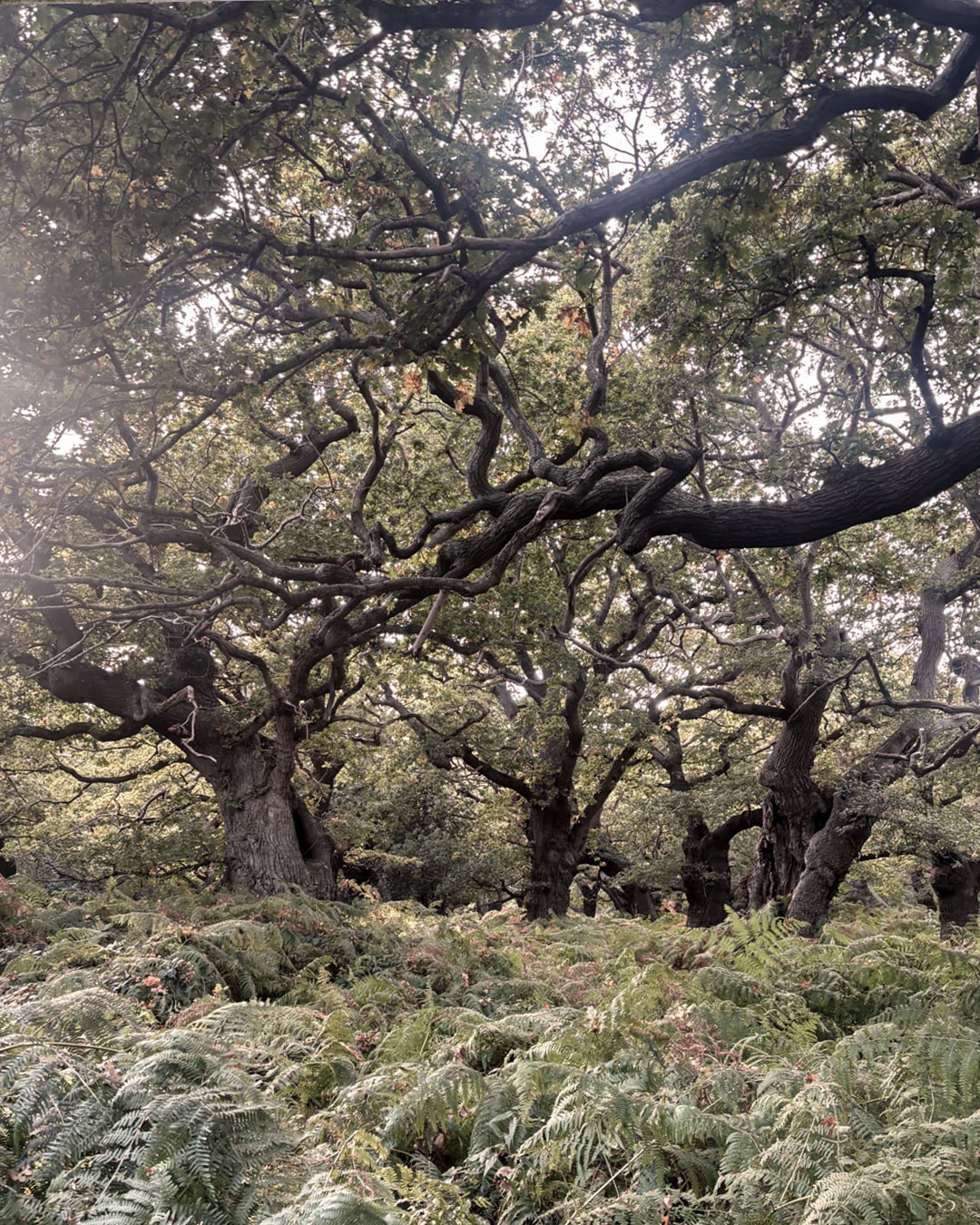
Ancient woods are irreplaceable havens of biodiversity and one of our richest habitats. They’re packed with centuries of our cultural heritage and vital in our fight against climate change and biodiversity decline. However, many ancient woods are at a critical turning point, and this could be our last chance to save them.

Project image

02/

OUR ANCIENT WOODLANDS

The Woodland Trust is calling for greater legal protection and a national rescue plan to restore these vital habitats – for nature, climate and future generations. With expert care and long-term commitment, Forgotten Forests can be brought back to life and continue to thrive. This will only be possible if government acts decisively and provides the support needed for restoration. By taking part in Woodland Trust’s campaign you can help ensure these ancient woodlands are protected and restored for generations to come.

Project image
Project image
Project image
Project image
Project image

03/

THE MATERIALS

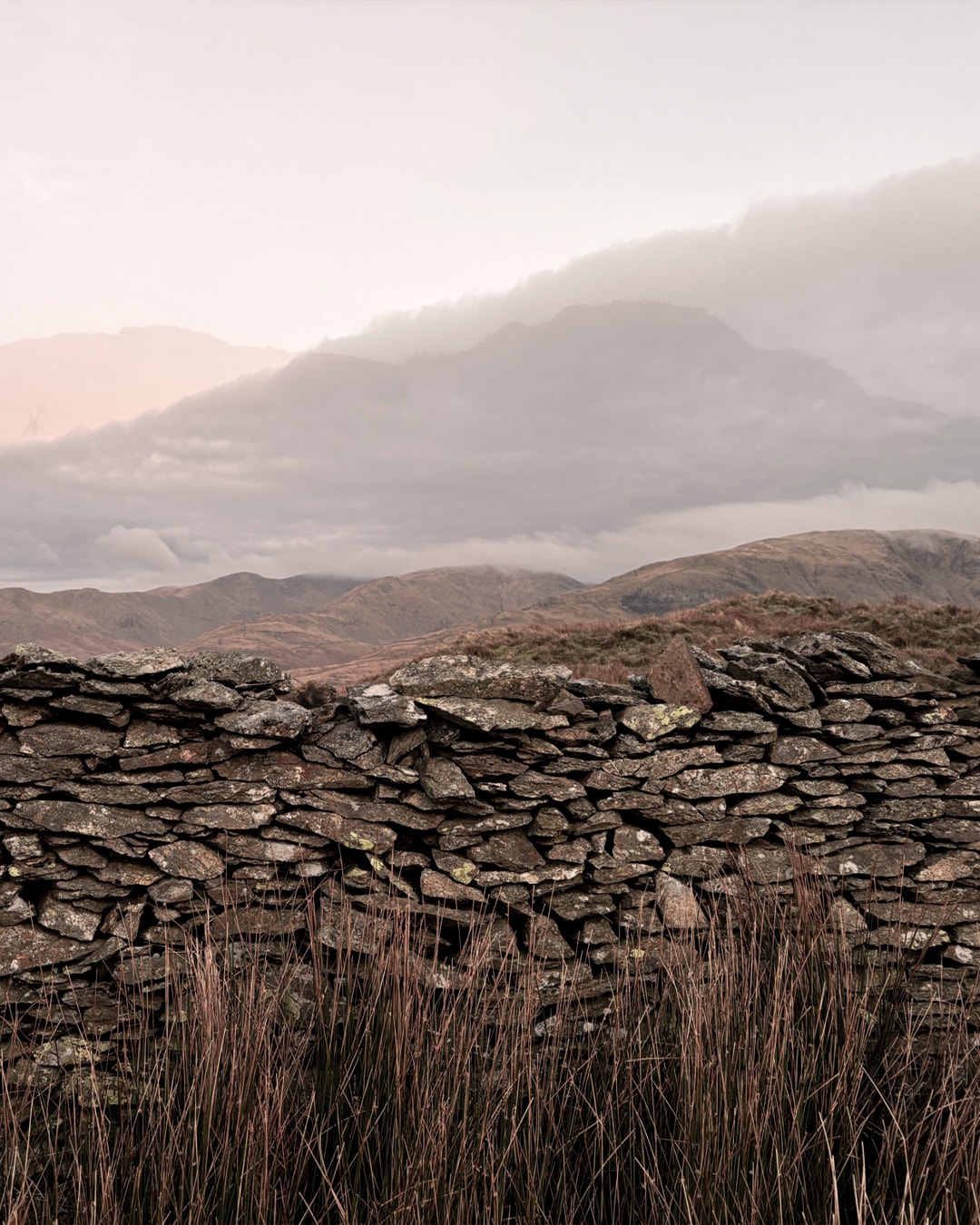
Using only natural materials, the garden is shaped around gritstone from the Peaks, which plays a key role in its character.

Dry stone walls frame the garden, inspired by those that edge ancient woodlands. They provide structure while allowing soil to be gently banked up, and speak to humanity’s long-standing relationship with these landscapes. Drawing from the flora found in surrounding wild spaces, the walls are planted with naturally occurring ferns and woodland plants, demonstrating how garden walls can become living structures and valuable opportunities for planting

04/

ALL ABOUT PLANTS

The planting celebrates native woodland flora, with a particular focus on ancient woodland indicator species—plants that tell the story of long-established woodland landscapes and are increasingly threatened by woodland loss across the UK. Alongside trees and ground flora, the garden will also highlight lichens and mosses, vital yet often overlooked indicators of ancient woodland that are themselves under growing pressure.

For the first time at Chelsea, all trees within the garden will be 100% sown and grown in the UK, underlining the critical importance of biosecurity in protecting our remaining ancient woodlands. By prioritising UK-grown plants, the garden demonstrates how thoughtful sourcing can help reduce the risk of introducing devastating non-native diseases such as Dutch elm disease and ash dieback.

Plants will be sourced from a carefully selected mix of UKISG-accredited nurseries, alongside RHS Chelsea 2026 growers and respected UK nurseries such as Hortus Loci, reinforcing best practice within the horticultural industry.

The planting palette draws directly from woodland edges, clearings and rides, and includes the following species (with ancient woodland indicators marked):

Ornithogalum pyrenaicum, Lychnis flos-cuculi, Polygonatum multiflorum (AWI), Viburnum opulus (AWI), Conopodium majus (AWI), Geranium robertianum, Anthriscus sylvestris, Silene dioica (AWI), Geum rivale (AWI), Ranunculus acris, Valeriana officinalis, Filipendula ulmaria, Symphytum officinale, Galium odoratum (AWI), Lamium galeobdolon (AWI)

Together, these species create a layered, naturalistic planting that reflects the richness of Britain’s woodland ecosystems while quietly reinforcing the urgent need to protect them.

Project image